



 800.827.6521
Concerts in casinos are increasingly seen not as mere entertainment, but as a way to compete and generate revenue. Against the backdrop of closures of some well-known gaming properties and rising customer acquisition costs, the live entertainment lineup is becoming one of the few remaining levers that both supports revenue and strengthens the venue’s brand image.
The economics are multi-layered. Revenue is generated not only on stage, but also through adjacent services that create a single on-property spending ecosystem within the resort.
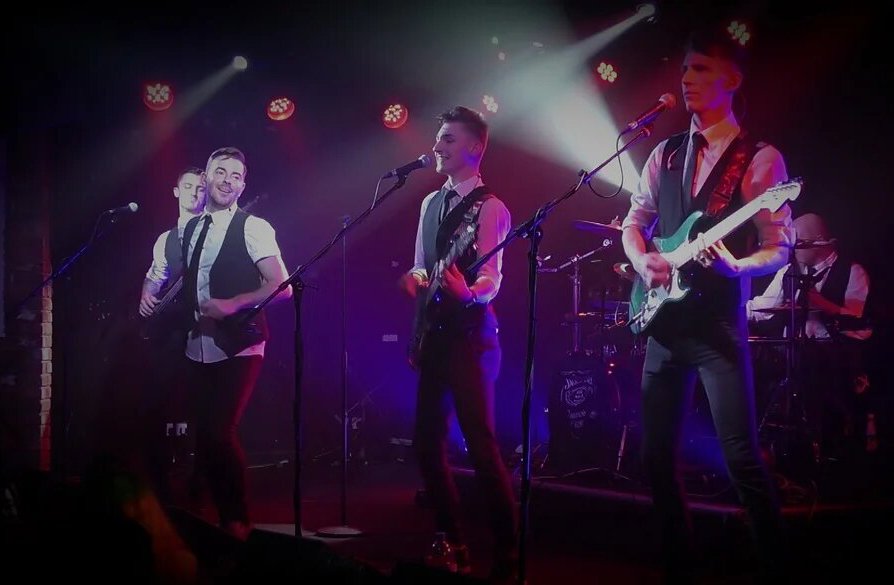
Concerts as a revenue strategy
Promoters and casino operators rely on a straightforward mechanism. Tickets generate direct box-office revenue, and the flow of attendees boosts utilization of existing facilities that are already built and need volume to pay off.
A typical monetization mix includes:
- ticket sales and stay packages
- higher hotel bookings and restaurant traffic
- additional spend in retail and on-property entertainment areas
The market for artist deals is changing as well. Booking—i.e., sourcing and securing talent—is increasingly handled through managers and agents, who negotiate harder on terms, revenue share, and marketing deliverables. At the same time, the model has a weak spot: high fixed fees for talent and production can sometimes eat into margins, especially if demand is overestimated or the calendar slot is misjudged.
Why the industry is uneasy
Even with steady interest in live performances, casinos are forced to adapt to competition from alternatives. Online streaming and major festivals offer a different way to experience live music, where audiences either pay less or pay once for many artists, and entertainment budgets are spread thinner.
At the same time, the risk of sudden shocks remains. The COVID-19 pandemic showed how quickly in-person business can grind to a halt, and pushed the market toward virtual concerts and hybrid livestreams. As a business response to shifting demand, Britney Spears’ Piece of Me residency at Planet Hollywood is often cited, as it helped reignite interest and attract a younger audience without changing the resort’s core infrastructure.
That same pandemic highlighted the vulnerability of land-based casinos to challenges from the online segment, which continues to develop rapidly. Virtual casinos didn’t stop there after pandemic restrictions were lifted. They moved into a new phase, including starting to offer players gambling games based on well-known board games. For online casinos, having such games in the catalog means a 10–15% increase in traffic. On the site about the Monopoly Big Baller game, which you can find here, we also found information that this exclusive entertainment also extends the average time spent by a player in an online casino.
At the same time, in land-based casinos players are increasingly drawn in by compelling concert lineups. And it works, because today’s casino visitor is looking for a broader entertainment experience rather than just gambling.
From background music to headline entertainment
The transformation went hand in hand with casinos becoming entertainment hubs, and the timeline typically falls into three stages. In the early 20th century, small bands and soloists worked as part of the atmosphere on the gaming floors, keeping the room’s rhythm and filling the lulls, but without being positioned as an event in its own right.
In the 1950s and 1960s, Las Vegas’ golden era made music a status symbol. The Rat Pack—Frank Sinatra, Sammy Davis Jr., and Dean Martin—cemented casinos’ reputation as a cultural draw, and Elvis Presley’s residencies turned the concert-series format into a citywide sensation. Later, toward the end of the 20th century, the growing diversity of styles and the expanding audience forced venues to adapt to broader demand, including an increasingly multicultural one.
Next-generation stages and technology
Modern casino shows increasingly resemble a tightly engineered production, where the quality of the experience is shaped not only by the artist. Powerful sound systems and thoughtful lighting design have become the baseline standard, reducing audience fatigue and maintaining consistent quality even in challenging venue acoustics.
The digital layer comes next. Visual production relies on^
- projection mapping, where visuals are precisely mapped onto the stage architecture
- digital backdrops and video walls synchronized with the setlist
- interactive elements that engage the crowd without the performer’s direct involvement
At the next level come experiments with VR and AR—virtual and augmented reality—where the concert expands beyond the stage and the screen. There’s no consensus in the industry on whether this will become a mass standard, because equipment and content development are expensive, and the payoff is hard to predict.
A borderless genre showcase
Where casinos used to be associated with a limited set of mainstream formats, today lineups read like a showcase for different tastes. Pop, rock, jazz, classical, and global acts sit side by side on the same calendar, and genre becomes a way to target specific guest segments more precisely.
Organizers segment offerings by age and cultural background, selecting different evening experiences for different flows. In practice, this means more experimentation and a higher risk of missing the mark on expectations, because the same venue has to remain recognizable without feeling repetitive.
Venues as part of the brand
The architecture of casino concert spaces has changed noticeably. Design increasingly starts with acoustics, sightlines, and crowd-flow logistics, so guests don’t waste time in lines or lose momentum at entry and exit.
The contrast is clear in Las Vegas examples. The Colosseum at Caesars Palace has become a symbol of major residencies, including Celine Dion’s record-breaking runs, where the sheer scale serves as a promise of prestige. House of Blues offers a more intimate experience that values closeness to the stage and club energy, and that choice also becomes part of the guest itinerary.
What will shape the agenda in the coming years
Forecasts most often cite growth in EDM and hybrid genres, which lend themselves more easily to visual tech and the residency format. Promotion will increasingly rely on social media and digital marketing, making it possible to build buzz far beyond the region and gauge demand more precisely before announcing dates.
A separate track is hybrid events at the intersection of in-person and online, where streaming and interactivity complement the in-room experience rather than replace it. At the same time, the industry will have to balance spectacle with ROI, because tech upgrades increase budgets, while audience expectations are rising faster than average spend on entertainment.